

The chairman of Shoreline Group, Kola Karim, has predicted that if attacks on Iran and counter-attacks sustains for the next four to five weeks as predicted by President Trump, the effect could be very dangerous for oil and gas supply chains and the global economy at large.
Karim, thus advised Nigeria to focus on developing natural resources and positioning as a dominant player to fill supply gaps near-term.
He said that as geopolitical tensions grip the oil-rich Middle East, global oil supply chains hang in the balance with potential for disruption unprecedented in recent years.
Karim, warns of the significant impact ongoing attacks in Iran and subsequent counter-actions could have on the global economy. With U.S. President Donald Trump’s hints of sustained military actions, the coming weeks may see oil and gas markets reeling under pressure.
“The world is navigating uncharted territories,” Karim stated, outlining the unforeseen developments undermining previously secure supply chains. “Last week, nobody could have predicted the weekend events that are now severely impacting global oil and gas supply and prices.”
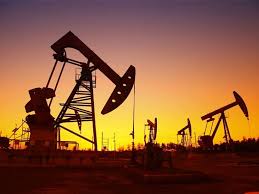
The tension revolves primarily around the strategic Strait of Hormuz, a maritime chokepoint critical for nearly 20 per cent of the world’s oil shipments. “If disrupted, global oil pricing will be significantly affected,” Karim elaborated, describing the cascading effect that recent strikes on Persian Gulf countries’ infrastructure have already initiated.
The complexity of supply and political geopolitics keeps the commodity markets fluid, Karim says. “Markets are reacting with knee-jerk responses as they attempt to interpret the situation. With no clear end in sight, sustained tensions could translate to damaging supply shocks,” he explained.
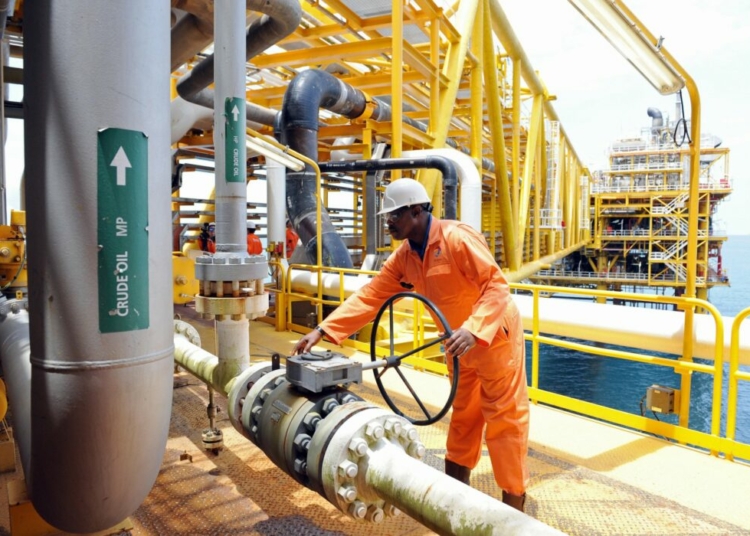
For energy-producing nations outside the immediate conflict zone, such as Nigeria, opportunities abound. Karim sees Nigeria’s substantial oil and natural gas reserves as pivotal in easing these disruptions. “Nigeria needs to continue developing its natural resources to step into the role of a key player during global supply gaps,” Karim suggests. With current production barriers such as technical and financial shortcomings, realising this potential is not without its challenges.
American interventions, too, have strategic underpinnings. Discussing the United States’ actions in Venezuela, Karim emphasised the broader strategy: “The U.S. is ensuring access to reserves closer to home, anticipating global disruptions,” he opined. Yet, in today’s interconnected world, such moves have wider implications, particularly for major energy consumers like China, CNBC Africa reports.
The moves and counter-moves around existing energy alliances, including OPEC, highlight the current complexity in global oil markets. “Iran, Venezuela, and Russia – all key to OPEC plus – are entangled in this disruption,” Karim noted, reflecting on past underinvestment and sanction-induced supply challenges. “The global energy value chain faces potential disruptions, escalating prices as demand surges,” he warned.
Nevertheless, Africa’s oil market is not devoid of promise. Enter the Dangote Refinery, a project Karim heralds as essential for African energy independence. “In the face of global shocks, it’s vital,” he attested, highlighting the refinery’s capacity to stabilise Africa’s energy supplies.
Karim also emphasised the crucial importance of diversifying Africa’s energy mix, advocating for the inclusion of renewable resources alongside the continent’s abundant gas reserves. The integration of solar and hydroelectric power represents a sustainable path forward, he argues, ensuring a more resilient energy future for Africa.
In summary, as the geopolitical landscape evolves and energy demands fluctuating rapidly, nations like Nigeria could play pivotal roles in filling global supply voids. However, capitalising on these opportunities demands significant infrastructure investment and strategic foresight.
Karim’s insights underscore the urgent need for Africa to harness its natural and renewable resources, reducing dependency on external factors and nurturing a self-reliant energy future amid global turmoil.