
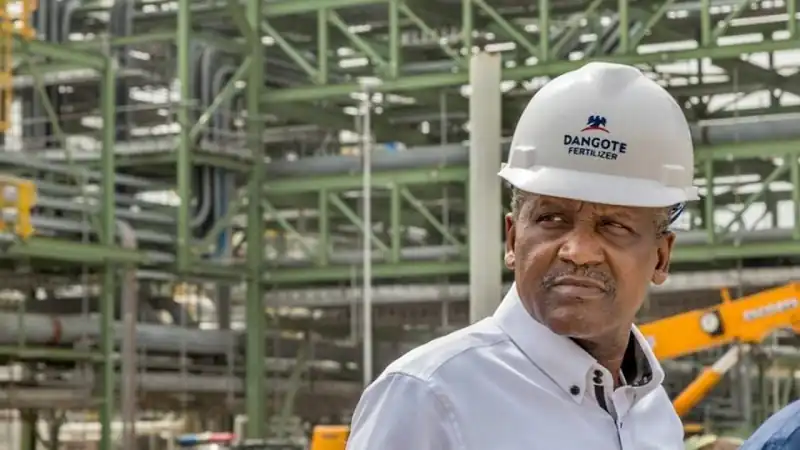
IImagine a man pouring his heart, soul, and a staggering $20 billion into a dream that could finally unshackle Nigeria from decades of humiliation over fuel imports. That is Aliko Dangote, Africa’s wealthiest son, who didn’t just lament Nigeria’s broken energy system but built the continent’s biggest refinery to fix it.
In the words of Daniel Ochonma, founder of Forum for Global Nigerian Professionals, “When the project came alive, it should’ve been a national celebration. Instead, it triggered fierce pushback from labour unions, fuel marketers, and entrenched forces that have profited handsomely from Nigeria’s dysfunction. Some early battles have cooled, but the scars show how deeply the resistance runs.”
The truth is, Dangote has been brutally frank about the forces he’s up against. He once said Nigeria’s oil cabal is more vicious than the global drug cartel, a network so powerful that even he underestimated its reach. Yet he pushed on.
According to Ochonma, who is also a chartered banker and public affairs analyst, Dangote Refinery is not just producing fuel; it represents what Nigeria could finally become: self-sufficient, competitive, and proud. With the capacity to meet our domestic needs and export surplus, it could inject billions into the economy. So why the chaos? Why the roadblocks?
Weight of a Broken Past
“To understand, look back at Nigeria’s long, painful oil dysfunction. Nearly two decades ago, Dangote attempted to buy stakes in Nigeria’s dying state-owned refineries, a move that could have revived them. Labour unions revolted, and President Umaru Musa Yar’Adua reversed the sale. Those refineries have since rotted away, burning public money while producing nothing.
“From 1999 to 2023, successive governments spent over $26.5 billion on ‘turnaround maintenance.” The outcome? Zero. Not one refinery ever returned to full operation. President Buhari, who once served as Petroleum Minister, promised a fix. By the time he left, the refineries remained idle monuments to waste,” Ochonma recalled.
According to him, corruption, red tape, and secrecy have long crippled the downstream sector. “Former NNPCL boss Mele Kyari is now under probe, with courts freezing linked accounts. Yet Nigerians aren’t fooled; the big shots who signed off billions still walk free. Every new “probe” triggers the familiar reaction: “Na today?” Meanwhile, a crude-rich nation continues importing most of its fuel, draining foreign reserves and punishing ordinary citizens with high prices.”
Who Controls Distribution?
Analysts believed that the latest conflict was about control of delivery. Dangote’s introduction of more than 4,000 CNG-powered tanker trucks, cleaner, safer, and efficient, sparked outrage. Unions called it union-busting. Marketers and tank farms accused him of trying to swallow their turf. Beneath the noise lies fear: if Dangote manages production and distribution end-to-end, many depots will be idle, debts will balloon, and entire business networks will shrink. To them, it’s not competition, it’s existential.
Globally, there’s no single model for fuel distribution. Some countries allow refineries to distribute; others rely on independent marketers. What matters is strong regulation and fairness. Nigeria, however, has operated on quicksand, weak rules that encourage cartel behaviour and backdoor deals.
Rewriting Nigeria’s Economic Story
Here’s the upside: In his estimation, Ochonma said that at full capacity, Dangote’s refinery could slash Nigeria’s fuel import bill by $25–30 billion annually, strengthen the naira, stabilise pump prices, and create thousands of jobs. In November 2025, when the refinery cut its petrol gantry price from N877 to N828, marketers followed, giving Nigerians long-awaited relief. For the first time in decades, Nigeria has a real shot at exporting refined fuel and becoming a regional powerhouse.
In his words, infrastructure alone is not enough. According to him, Nigeria needs innovative policies, strict enforcement, open competition, and honest engagement with workers. If fairness triumphs over vested interests, this could spark an industrial renaissance. If not, it becomes yet another wasted opportunity.
Heart of the Battle
Saying attacks on Dangote are really attacks on Nigeria’s progress, Ochonma believed that millions struggling with fuel scarcity, inflation, and unemployment stand to benefit the most if this refinery succeeds, adding that failure means returning to complete import dependence, bleeding foreign reserves, and scaring away investors.
“Supporting Dangote is not worshipping a billionaire; it’s backing a bold national gamble. He could have hidden his wealth abroad, but he invested it here, betting on Nigeria. That patriotism should be protected, not sabotaged.
“In the end, the Dangote Refinery is more than a business. It is a test of whether Nigeria can finally confront its energy rot. The stakes are enormous, and the cost of failure is a nation permanently stuck in dysfunction. We cannot afford to let that happen,” he stated.