



Abuja, Nigeria – Nigeria continues to implement plans to increase natural gas supplies to the domestic market, focusing on boosting production levels in the coming years. The country aims to achieve higher output rates by 2030 as part of its efforts to enhance energy security and support various economic sectors.
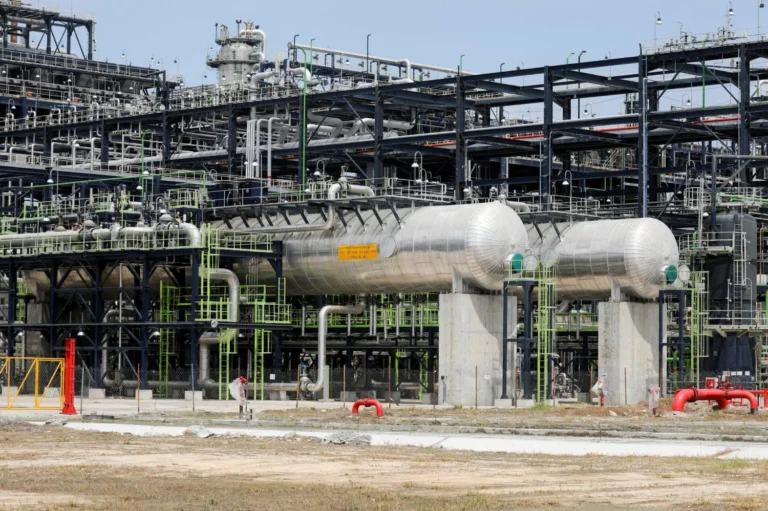
The Nigerian government is working to accelerate the development of gas projects and increase investment in exploration and production operations. Additionally, the government is focusing on improving infrastructure for gas transportation, processing, and distribution. These measures serve to provide additional volumes to the domestic market and alleviate bottlenecks affecting energy supplies.
Nigeria is placing increasing importance on natural gas as a key component of its energy mix, particularly given the ongoing need to supply sufficient fuel to power plants, industrial facilities, and productive enterprises. Authorities are also banking on expanding domestic gas utilization to derive greater economic value from the country’s natural resources.
Plans to boost production involve developing existing fields and making better use of available reserves. Furthermore, the government is encouraging local and international energy companies to invest in the gas sector and aims to foster a more favorable environment for the implementation of long-term projects.
Nigeria also seeks to strengthen gas transmission networks and connect production areas with consumption centers. This facilitates the delivery of supplies to new industrial sectors and regions, while supporting plans to expand the use of gas for power generation. Increased domestic supplies would help narrow energy gaps and improve the stability of electricity provision. Furthermore, this supports industries that rely on gas for their production processes. Increased production can also boost government revenues and support the Nigerian economy.
These moves coincide with Nigeria’s efforts to maintain its position as a leading energy producer and exporter in Africa. The country also seeks to strike a balance between meeting domestic market needs and capitalizing on opportunities to export gas to international markets.
The government aims to achieve higher production levels by 2030 through the implementation of new projects and the enhancement of existing infrastructure. This contributes to strengthening the role of natural gas in the Nigerian economy and supporting development plans in the coming years.