

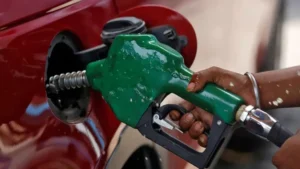
Nigerians are expressing fresh concerns as the pump price of Premium Motor Spirit (PMS), also known as petrol, inches closer to N1,000 per litre in several parts of the country following the escalating Middle East crisis.
The surge in prices comes on the heels of rising global crude oil benchmarks triggered by the intensifying conflict involving the United States, Israel and Iran, which has unsettled international energy markets and heightened fears of supply disruptions.
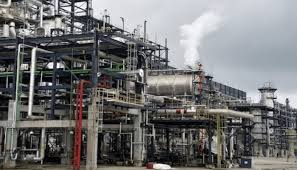
On Monday, Dangote Refinery adjusted its ex-depot price by N100, moving from N774 to N874 per litre. The development immediately rippled across retail outlets nationwide.
In Abuja, retail stations operated by the Nigerian National Petroleum Company Limited (NNPCL) increased pump prices from N875 to N960 per litre. In Lagos, some independent marketers adjusted prices to as high as N935 per litre, while several NNPCL outlets were not dispensing at the time of checks.
In Kano, major filling stations also adjusted the pump price from N880 to N980 with consumers lamenting the price hike.
The upward review has sparked fears that PMS could soon hit the N1,000 per litre mark if crude oil prices continue their upward trajectory.
This is just as the International Monetary Fund (IMF) has expressed concern over rising energy prices and disruptions to global trade caused by the crisis in the Middle East.
Brent crude climbed above $80 per barrel and was trading around $81 per barrel amid concerns over possible disruptions around the Strait of Hormuz, a strategic oil transit corridor.
Although higher crude prices may boost Nigeria’s foreign exchange earnings from oil exports, the impact on domestic fuel prices is already weighing heavily on households and small businesses grappling with inflation and rising living costs.
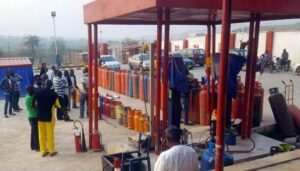
In Lagos, the PMS price hike has triggered an increase in transport fares amidst non-availability of fuel in some filling stations.
Daily Trust gathered yesterday that commercial drivers increased the cost of transportation after the upward review in the price of fuel, leaving commuters to pay more.
Daily Trust gathered that the fuel price adjustment showed that NNPC sold at N933 while AP sold at N930, a sharp increase of over N100 from their previous prices.
Daily Trust findings showed that the cost of transportation from Adeniji to Oworonski increased to N700 from N600.
Abiodun Ismail, a commercial driver said the fuel sold at NNPC was adjusted twice, saying he bought at N930 and later N933 during the morning and evening respectively.
In Ibadan, most filling stations on Tuesday adjusted their pump prices on account of the Middle East crisis which shot up the cost of the product.
Daily Trust reports that the stations adjusted their pumps by N90 and N100 in the early hours of the day.
At the popular SAO Filling station along Ring Road, fuel price which was sold for N740 a litre on Monday climbed to N840 in the early hours of Tuesday.
Daily Trust also reports that Amazing Filling Station in Felele also adjusted its billboard to N843 per litre which was N100 higher than the earlier pump price.
Filling attendants had hectic time explaining the sudden price movement to commercial bus drivers and Okada riders who lamented that the development will eat deeper into their meagre profit margin.
Shakiru Mohammed, an Okada rider in Molete, Ibadan, said: “The sudden fuel price adjustment came to me as a rude shock,especially when I jubilated some few weeks over the crash in the cost of fuel which pushed my income upward considerably.
In Ogun State, residents especially those living at the border areas lamented the hike in the petrol price, saying it will compound the economic hardship.
Daily Trust reports that border areas in the state where there’s ongoing restriction are the worst hit anytime there’s an increase in fuel price.
Ismaila Ahmed, a Community Development Association (CDA) Chairman in Iwoye – Ketu, expressed fear that with the new pump price, petrol may sell for N1,500 per litre in the area.
“Presently, the filling stations in the community don’t have fuel supply. Before the product finished, they were selling it at N900 per litre.
“But with this increment, I’m afraid the fuel price may hit N1,500,” Ahmed told Daily Trust.
An entrepreneur in Abeokuta, Mrs Abisola Pedro, said the fuel price will later affect prices of commodities.
She said, “The increase in fuel price is so sad because as a driver I have calculations for how I buy and use fuel. Even as of yesterday (Monday) I still bought fuel at N825 but today I got a litre at N935.”
IMF breaks silence on crisis
Meanwhile, the IMF said it is closely monitoring the situation but warned that the conflict would add to global economic uncertainties.
“We are closely monitoring developments in the Middle East. So far, we have observed disruptions to trade and economic activity, surges in energy prices, and volatility in financial markets.
“The situation remains highly fluid and adds to an already uncertain global economic environment. It is too early to assess the economic impact on the region and the global economy. That impact will depend on the extent and duration of the conflict,” the statement said.
Marketers demand strengthening of local refining
Petroleum marketers under the aegis of the Petroleum Products Retail Outlets Owners Association of Nigeria (PETROAN) have warned that the geopolitical tensions could further destabilise Nigeria’s downstream sector.
In a statement signed by its National Public Relations Officer, Dr Joseph Obele, the association’s National President, Dr Billy Gillis-Harry, described the unfolding crisis as a major threat to energy-importing nations like Nigeria.
He noted that with the deregulation of the downstream sector, pump prices are now largely influenced by global crude oil prices and foreign exchange fluctuations.
“Any sustained increase in crude prices will inevitably reflect at the retail level,” he said, adding that prolonged hostilities in the Middle East could push oil prices beyond $100 per barrel.
According to PETROAN, Nigeria’s continued reliance on imported refined petroleum products makes the country vulnerable to external shocks, exposing consumers to price volatility and worsening inflationary pressures.
Across states, the impact is already evident. In Ibadan, Oyo State, several filling stations raised pump prices by between N90 and N100 per litre within hours. Commercial drivers and motorcycle operators lamented the sudden increase, saying it would erode their already slim profit margins.
PETROAN urged the Federal Government to urgently strengthen domestic refining capacity, ensure steady crude supply to local refineries, and sustain policies such as the naira-for-crude initiative to reduce exposure to foreign exchange volatility.
The association also called for accelerated rehabilitation and full operationalisation of Nigeria’s state-owned refineries, stressing that boosting local refining remains critical to safeguarding national energy security and shielding consumers from global market shocks.
Experts demand transparency in naira-for-crude
Amidst the current price increase, some industry experts have called for transparency in the naira-for-crude programme of the federal government with the domestic refiners.
Speaking with our correspondent, a major marketer, Otunba Tunji Oyebanji said the naira-for-crude policy would have insulated Nigeria from fluctuations in the global oil market if it had been well implemented.
He said, “I am wondering how to situate this against the crude for Naira policy. I thought the idea was to insulate us from fluctuations in the initial price of crude. We also understand that some of the refinery products are to be exported.
“So crude is being purchased in Naira, however domestic prices are being increased because of the rise in crude prices due to the ongoing war between the US and Iran. In addition some of the refined products are being exported in Dollars.
“But given that we have been told that crude for Naira is to protect Nigerians from crude price volatility, it would be nice for us to know what percentage of his crude is local and what percentage is imported. In addition, how much finished product is being exported.”